Dyme Squad Magazine
  • Sign In
  • Create Account

  • My Account
  • Signed in as:

  • filler@godaddy.com


  • My Account
  • Sign out

  • Home
  • About
  • Shop
  • Events
  • The Drop: Music Video Hr
  • Features
  • Articles
  • MUAs and Models
  • Entrepreneur Spotlight
  • Rising Stars
  • Entertainment Legacy
  • Health and Wellness
  • Tributes
  • Promotions
  • Official Podcast
  • Testimonials
  • Contact us
  • Privacy Policy
  • Terms and Conditions
  • More
    • Home
    • About
    • Shop
    • Events
    • The Drop: Music Video Hr
    • Features
    • Articles
    • MUAs and Models
    • Entrepreneur Spotlight
    • Rising Stars
    • Entertainment Legacy
    • Health and Wellness
    • Tributes
    • Promotions
    • Official Podcast
    • Testimonials
    • Contact us
    • Privacy Policy
    • Terms and Conditions
Dyme Squad Magazine

Signed in as:

filler@godaddy.com

  • Home
  • About
  • Shop
  • Events
  • The Drop: Music Video Hr
  • Features
  • Articles
  • MUAs and Models
  • Entrepreneur Spotlight
  • Rising Stars
  • Entertainment Legacy
  • Health and Wellness
  • Tributes
  • Promotions
  • Official Podcast
  • Testimonials
  • Contact us
  • Privacy Policy
  • Terms and Conditions

Account


  • My Account
  • Sign out


  • Sign In
  • My Account

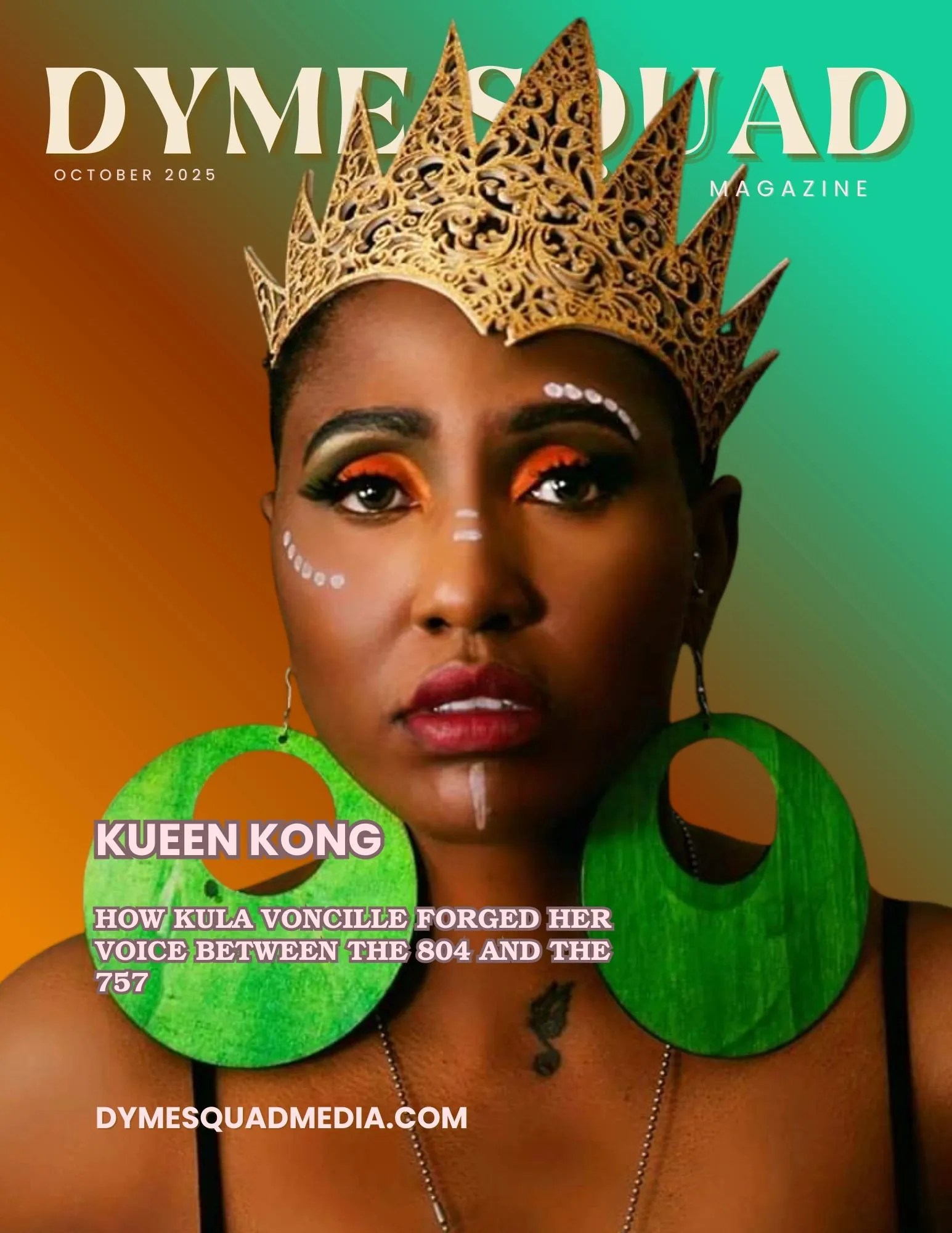
Kueen Kong

Kueen Kong of the Commonwealth: How Kula Voncille Forged Her Voice Between the 804 and the 757

If Virginia is for lovers and hustlers, Kula “Kueen Kong” Voncille is both—unapologetically. Born and raised in Richmond’s 804, tempered in the 757’s open-mic crucible, she carries the duality that defines the Commonwealth: grit sharpened by grace, bars built on story. Her ascent didn’t happen overnight. It started with a shoreline, a steering wheel, a spiral notebook—and a daughter who crowned her before the world did.From the 804 to the 757: Polishing the Pen Richmond raised her. The 757 made her dangerous.Kula’s music journey officially took flight in the Newport News/Hampton Roads/Virginia Beach corridor while she was enrolled at Old Dominion University. “It was easier to get all the kinks out down there,” she says. “So when I moved back home I was a more polished artist.” The ocean became a metronome—close enough to quiet the noise, steady enough to center the writing. And Portsmouth’s open mics? That was the dojo.

There was always a stage, always a crowd, always a chance to test new material and sharpen the sword.The Mantra Made Flesh “VA is for Lovers and Hustlers” isn’t just a state slogan to Kula—it’s a morning ritual and an artistic ethic. “It means getting up and being in love with myself and then the journey,” she says. Reinvention isn’t a phase; it’s fuel. “I love recreating myself. I love trying new things. Sometimes it works and sometimes it don’t. But I wouldn’t know unless I tried. Plus, I’m always learning new things from each recreation.” She embraces both the experiments and the errors, treating them as drafts toward a sharper self.The Switch: A Backseat Ovation Before 2014, Kula was a student of hip hop—studying flow, cadence, breath, story. The spark that shifted her from student to certainty came from the backseat of her car. She was freestyling—really freestyling—for the first time in a long time with her kids riding along. She was in the zone, oblivious to everything but the beat and the bars. When she stopped, her daughter clapped and shouted, “Mommy, you’re the best rapper ever!”“I said to myself… I am,” Kula says. That moment hardened into momentum. “And I have been in the mix ever since.”Winning the Room: Soul Logistic Radio Gong Show When Kula stepped onto the Soul Logistic Radio Gong Show stage, she brought reverence and precision—performing original verses over classic instrumentals: Black Rob’s Woah, Black Sheep’s The Choice Is Yours, and Nas’ Ether. It was strategic and sincere. The crowd recognized the beats and leaned in; the lyrics did the rest.Winning first place unlocked two doors at once. “Mentally, I was floored,” she says. “I was able to go backstage and meet Slick Rick. That was a huge moment for me.” Professionally, it was the blueprint for stagecraft—how to control the room, arc an energy, and leave a mark.Opening for Slick Rick: The Gospel of Story Some rites of passage can’t be faked. Opening for Slick Rick—the crown prince of narrative—taught Kula the true assignment: “You have to command the crowd’s attention and keep them engaged. It’s not about dropping heavy bars but about creating a story that people can see.” It confirmed what she learned from Slick Rick and Dana Dane: the most unforgettable emcees don’t just rap—they stage a world in the listener’s head.Attracting Her Own Glory There’s a difference between being on a lineup and being the reason people show up. Kula felt the shift at open mics when folks started coming “on purpose”—not for the scene, but for her. “Those people came to the event for the sole reason of seeing ME perform,” she says. That realization didn’t just validate her talent; it revealed a calling. “I knew I would be good at putting together events for artists and myself to showcase their talent.” The crowd told her what to build next.The Lineage and the Lift Ask Kula to list influences and she names architects of craft: Eminem, Lauryn Hill, J. Cole, T.I., Redman. What she pulled from them isn’t mimicry—it’s mechanics. “The use of double entendres. Sometimes even triple. I like to give people the UGLY FACE when they hear a verse from me.” She wants her bars to bend the brain and bruise the beat—complex enough to reward a rewind, clear enough to cut through a room.If you force her to define her style with “only verbs,” she laughs and breaks the rule with purpose: “Eclectic. Funny. Lyrical.” It fits. She’s a shapeshifter with precision timing—able to punch, pivot, and play in the same sixteen.Show, Don’t Tell Kula would rather spit a hot 16 than write a thesis about her pen. That choice—equal parts confidence, preparation, and audience respect—is intentional. “First, I like to display my confidence. Second, I like to show that I’m prepared. Lastly, I like to give people the opportunity to figure it out for themselves.” In an era of over-explained artistry, Kula protects the magic. She performs it.A Bar That Still Chills Ask for a line that still gives her goosebumps, and she doesn’t hesitate: “Lickin my thumbs countin my guap til finger tips are green, I don’t need to cuss in every verse to make it sound obscene, I just ate up 21 rappers cause I need protein. Got the math from The GOD. Now I’m microphone fiend… nawh mean.”It’s a layered homage to Rakim—an emcee who rarely curses and once bragged about devouring twenty-one rappers. “This was my way to deconstruct the verse and make it mine while showing my respect to The GOD,” Kula says. It’s reverence with reinvention.The Ritual: Concept First, Road Therapy Next Kula’s writing process is both disciplined and intuitive. “It starts off with a concept—heartbreak, talking ish, being in love.” Then comes the slow freestyle. She gets in the car, sparks something, sets the instrumental on repeat, and drives. Whatever lines remain when the engine stops are the chosen ones. “Whatever I remember… that is meant for the song. If I forgot a bar, then it wasn’t meant to be.”From there, it’s a three-step capture: voice record on the phone, transcribe into a rap composition book, then type it on the computer. Random bars get stashed as voice notes—breadcrumbs for future records.Clarity Over Clever for Clever’s Sake Wordplay matters. So does comprehension. Kula keeps a trusted circle—people she runs bars through to ensure the punchlines land without muddying the message. “I don’t want to muddle the metaphor trying to be over clever.” The test is simple: if the story blurs, the bar gets cut.Song vs. Record For Kula, it’s not semantics—it’s substance. “To me it’s physical. The record is the physical product—vinyl or CD or USB drive. The song is what you hear and the emotions that you experience.” One you can hold. The other holds you.Part 2: Platforms, Prizes, and the Kueen’s CodeRadio With a Pulse: Kickin’ It With Kula Kula didn’t just find her voice—she built a platform for it. Kickin’ it with Kula: All Things Hip Hop launched in September 2025 on K101.2POP, a digital station with its ear to the culture. The blueprint is fundamentals-first: the core elements of hip hop as the foundation, then themed builds that keep the classroom and the cipher connected.Each month, recurring segments anchor the show’s community:

  • A Producer & A MC: pairing beat architects with bar technicians to dissect collaboration in real time.
  • Indie Artist Showcase: a stage for emerging voices with something to say and the chops to say it. Future arcs are practical and necessary: step-by-step breakdowns on pushing a single, transparent talk on finances in hip hop, and interviews with prominent figures who’ve navigated the gauntlet. It’s the game, minus the gatekeeping.

The Parking Lot Pull Up: Innovation Under Pressure The Parking Lot Pull Up was born in 2020—out of lockdowns, out of a closed mic, out of a community that refused to stop creating. Partnering with a restaurant owner who’d hosted open mics pre-COVID, Kula helped pivot the stage to the asphalt: artists performing outside while audiences stayed in their cars, tuned in, and lit up the lot. It wasn’t just a workaround; it was a revelation. Safe, intimate, raw, and undeniably hip hop.The vision now is bigger: a two-day festival that turns the pull up into a pull-through—artist performances, vendors, producer showcases, and more. The DNA of the event remains the same: accessibility, community, and curation that respects craft.Building Platforms Without Losing Self Event work started as a means to an end—“a way for me to make a space for myself to perform.” It grew into an ecosystem. The challenge, Kula admits, is staying visible inside your own machine. “It’s hard not to lose yourself while helping others.” But surrounding herself with artists sharpened her, widened her lens, and multiplied her opportunities. Iron sharpens iron—and sometimes books the venue.Wins That Mean Different Things Not all trophies weigh the same. For Kula:

  • 2017 Music and Lyrics (1st place) was the first big one—a lyrical competition that she won with Exposed, a raw true story about catching a boyfriend cheating. It was the first time she put her real life on wax—and it landed.
  • 2018 RVA Music Awards (Best Rapper, Best Lyricist) were affirming, but she’s candid about internet voting and popularity dynamics. Flowers are appreciated; the work remains the proof.
  • RVA Rap Elite’s first-ever female Battle Rap Championship is the crown jewel. She didn’t know she had that gear, and the format—same beat, two-minute displays judged on pen and performance—pulled it out of her. The win came on a head-to-head freestyle, and she carries that one like a banner.

Sharpening the Sword, Guarding the Spirit Kula is clear: she’s not trying to live in the YouTube battlegrounds where personals fly and families get name-dropped. The Rap Elite arena was about penmanship and performance under pressure. If someone mentions her name in a bar? That’s a signal she’s effective. The mentions made her write better; the noise never moved her off center. But lines exist. “The minute you mention my kids or my mom… it’s a wrap.”The Most Underrated Skill in Hip Hop Ask her what champion emcees need that the culture doesn’t hype enough and she doesn’t hesitate: “Storytelling and imagery.” In an age of algorithmic hooks and disposable flexes, she plants her flag in narrative. If you can’t paint a picture, you can’t make it timeless.The Kueen’s Image: Aggressive Femininity When someone calls her “Kueen Kong,” she wants a specific image to flash: power with poise. “The strength in the courage to be able to go hard with rhyme scheme and delivery but to be in my softness to showcase as well.” It’s range, not contradiction. The bar can bruise. The presence can soothe. That’s the point.Message to the Young Queens of RVA For the next generation watching her moves, Kula’s core message is non-negotiable: you don’t have to be half-naked or hyper-sexual to be heard. Intelligence is attractive; skill is magnetic. “Showcasing intelligence is sexy too.”The Assignment: Restore the Feeling Finish her sentence and you get the mission statement: “If you’re not leaving my show with a new love for hip hop, I didn’t do my job.” Some people have given up on the genre, or at least the version they fell for first. Kula’s set is designed to reboot that spark—to remind you why the beat grabbed your chest and the story wouldn’t let go.Awards

  • 2014 1st place winner of the Soul Logistic Gong Show Contest
  • 2017 1st place winner of the Music and Lyrics Competition
  • 2018 RVA Music Awards Best Rapper and Best Lyricist
  • RVA Rap Elite FIRST Female Battle Rap Championship Winner

Contact

  • www.kulavoncille.com
  • kula0322@gmail.com
  • Instagram: @Kula_voncille
  • TikTok: @kulavoncille0322

Kueen Kong Gallery

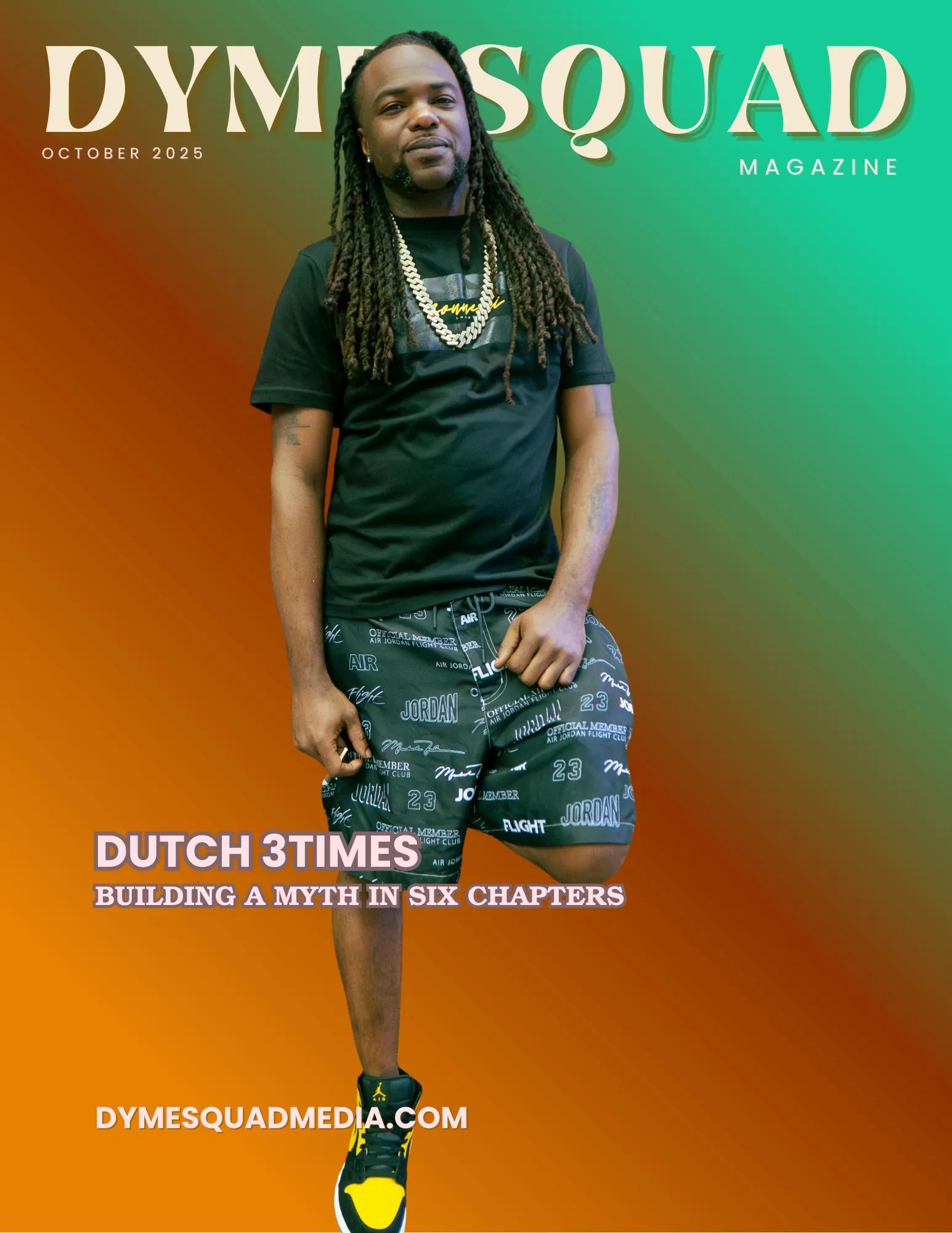
    Dutch 3Times

    Building a Myth in Six Chapters

    A Product of Contrast Dutch 3Times is a product of contrast—a soul shaped by the hush of Carolina mornings and the relentless pulse of Detroit nights. Born in a small Carolina town, Dutch’s earliest years were marked by silence, space, and the ache of distance. “I was raised in quiet,” Dutch says, “and I learned to listen to what the silence was saying.” But it was in the band class hallways—where notes first danced off sheet music—that Dutch discovered the foundation of a future legacy. “Band class was where I learned to read music, to feel theory in my bones. It was the blueprint.”Then came Detroit. Half a life spent in a city that doesn’t just have a sound, but a stamp. “Detroit gave me rhythm, resilience, and the pulse of reinvention,” Dutch reflects. “It taught me how to listen differently—to the streets, to the culture, to the legacy. I carved my own signature into it.” In this city of survivors and visionaries, Dutch’s artistry found its edge.From Fun to Lifeline Music was always a dream for Dutch, but in the early days—middle and high school—it was just that: a dream. “Back then, it was just fun. I didn’t take it seriously. I didn’t know it could be a lifeline, a legacy.” That realization came later, when the stories Dutch scribbled in notebooks started sounding less like fiction and more like confessions. “I started writing what I felt, even if I felt it through someone else. That’s when music stopped being a pastime and started becoming everything.”Passion Over Plot Every songwriter tells a story, but Dutch is drawn to the passion behind the music more than the plot. “My influences—H.E.R., Daniel Caesar, Chris Brown, Drake—they don’t just sing, they bleed. My own stories are stitched from fact and fiction, dreams and borrowed memories.” Dutch’s approach is both intimate and expansive, writing not just what’s been lived, but what’s been felt, imagined, or inherited. “I write what I feel, even if I felt it through someone else.”The Distant Lover Saga: Love, Fragmented The Distant Lover saga is Dutch’s magnum opus—a six-part EP series that traces the jagged, nonlinear path of love. “Love isn’t linear, it’s fragmented. Each chapter marks a different phase in the search for love. It’s not just romantic, but spiritual and artistic. The story’s already written. The experiences have already happened. I’m just translating them into sound.”For Dutch, each phase is a world unto itself. “I want listeners to live inside each phase, feel it, name it, and survive it.” The saga isn’t just a collection of songs—it’s a mythos, a living archive of longing, loss, and transformation.The Art of Listening to Silence Every chapter begins with a question Dutch can’t answer. “I listen to what the silence is saying. Each chapter starts with a question—like, what does lust sound like when it’s lonely? Or can longing be louder than love? The emotion chooses me, not the other way around.”Dutch’s process is deeply intuitive, letting the emotional current lead the way. “Sometimes it starts with a sound. Sometimes a lyric. Sometimes it’s just a feeling that won’t leave me alone. I follow the emotion until it becomes a song.”Chapter by Chapter: The Distant Lover Arc Chapter 1: Taking Chances was a metaphor for Dutch’s entry into the music industry. “It wasn’t real love, it was me chasing the idea of it, prematurely.” Chapter 2: This is Lust is raw and unapologetic. “It’s me admitting that this industry doesn’t love me, and maybe I don’t love it either. But I want it. I desire it. I think I need it. Lust is loud like that.” Chapter 3: Heartbreak is the fallout. “What I thought was love breaks me. The first track, ‘I Like It,’ opens with the line: ‘She say you don’t even know what love is, but baby I like it.’ That’s a heartbreak disguised as a disclaimer. Because when someone tells you that you don’t know what love is, they’re really telling you that you don’t know yourself.”And after heartbreak? “After heartbreak comes fun. Rebuilding. Reinvention. That’s the only way to outrun the ache of missing love—by creating a new life that doesn’t need it.”The Architect of Every Rollout Dutch is hands-on with everything. “Production, lyrics, engineering tweaks, captions, visuals—I don’t have a team. I have a vision. And I work it because I love it. Every rollout is a solo mission, but it’s also a love letter to the myth I’m building.”This level of involvement is rare in an era of teams and delegation. For Dutch, it’s about authorship. “Legacy is authorship. It’s not just what I make, it’s how I protect it, how I name it, how I leave it behind. I’m not chasing trends, I’m building a time capsule.”Mystery as a Map Private by nature, Dutch lets mystery do the talking. “I don’t overshare; I offer glimpses. My music isn’t for everybody, but it’s for somebody. When I promote, I give people fragments of the story, sometimes before the chapter even drops.”Every caption is a clue; every DM is a portal. “I write like I’m speaking to one person who’s already halfway in. The goal is not to be viral, it’s intimacy.”Chasing Echoes, Not Fireworks “I haven’t had that one unforgettable moment yet, but I think that’s part of the process,” Dutch admits. “I’m still in the early chapters, still laying the foundation. The most memorable moment might be waiting for me in Chapter 3 or 4, when the story hits someone so deeply they feel like it’s theirs. But maybe that’s the point—I’m not chasing fireworks. I’m chasing echoes. I want the music to linger and whisper to someone weeks after they hear it. That kind of impact doesn’t always announce itself. It unfolds.”Seen and Haunted What does Dutch hope listeners take away? “I hope they feel seen. I hope they feel haunted. I want every chapter to be relatable to their own stories.”Building a World, One Chapter at a Time For Dutch, the advice to other dreamers is simple: “Build something you’d live inside even if no one else showed up. If you’ve got a dream, find the passion inside it. Then build it into something real. That’s what I’m doing. One chapter at a time.”Available on all major platforms 9/1/25 Listen now: https://open.spotify.com/album/0lvY3MCXj6iKdB0q9G32Fi?si=54XDVDXDQ9uW-M-ojhB0IAFollow Dutch 3Times:

    • SoundCloud: Soundcloud.com/dutch3times
    • Instagram: Instagram.com/dutch3times
    • TikTok: @dutch_3times
    • X (Twitter): @dutch3times

    Dutch 3Times Gallery

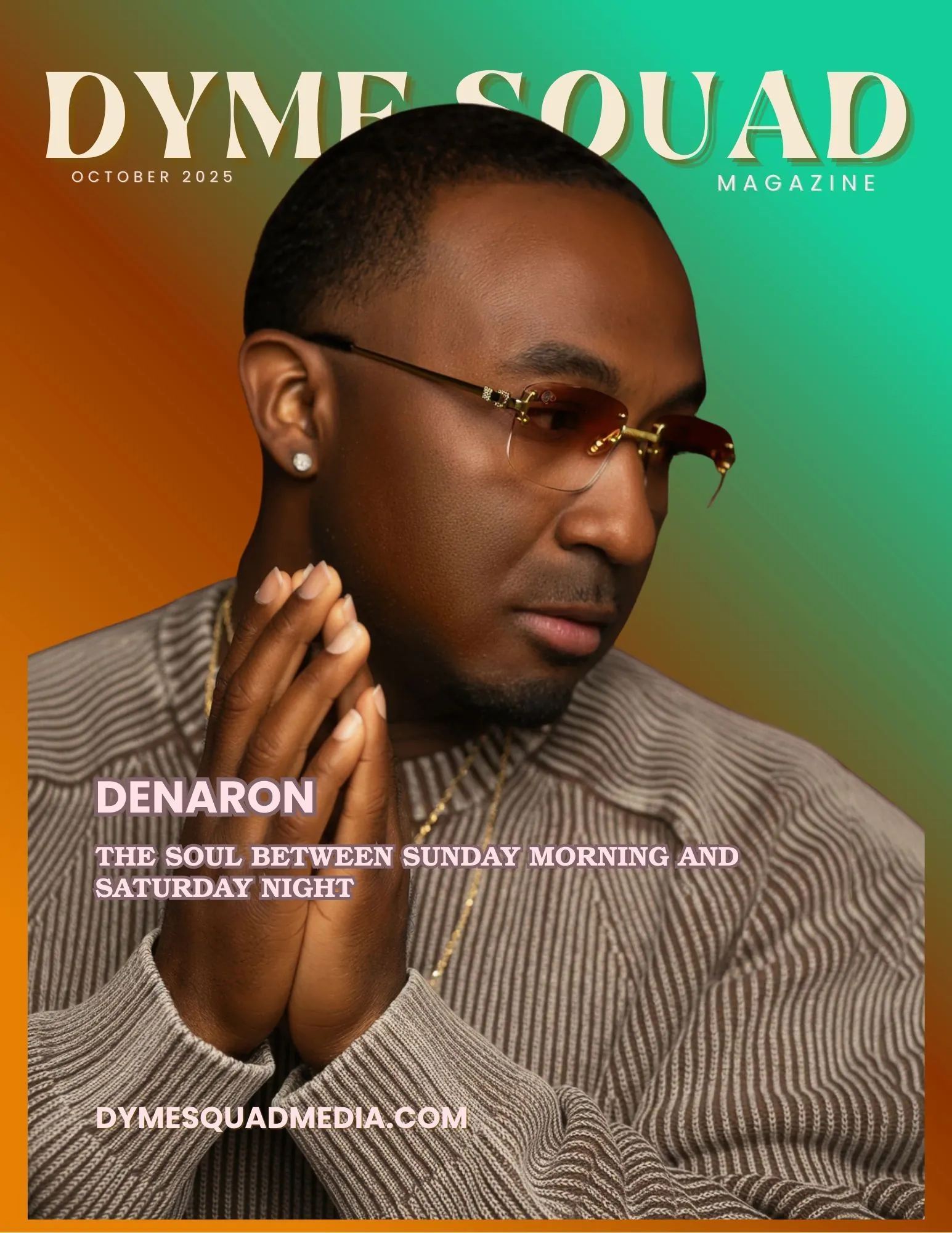
      Denaron

      The Soul Between Sunday Morning and Saturday Night

      By the time Denaron hits a stage, the room already knows what’s coming: presence, precision, and a voice that can lean church or club without losing its core. He calls his music passionate, honest, and open-minded. That honesty didn’t arrive by accident—it was shaped at home.“Me being raised with mother and father definitely helped on the content I put out in the world,” he says. That foundation became his compass, orienting him toward truth without spectacle, vulnerability without theatrics.Chapter One: The 12-Year-Old in the Choir Loft Before radio spins and national stages, there was a kid in church who sang to quiet his shyness. “It helped me to get away from being shy and building my confidence,” he says. As an only child, he moved cautiously, thinking three steps ahead before making one. The sanctuary gave him permission to take up space. The hymns taught breath control, timing, and reverence. The congregation taught him why it mattered.Performance, for Denaron, isn’t just volume and runs—it’s purpose. The church made sure of that.The Lineage: Soul Carved From Giants His holy trinity of R&B forefathers—Ronald Isley, David Ruffin, Luther Vandross—left fingerprints on his technique. “Their vocal range, their power house voice helped me develop into the artist and voice I am today,” he says. From Isley: silk and storytelling. From Ruffin: grit and edge. From Luther: control that feels like kindness. Those lessons sit in his phrasing, the way he makes a single word feel like a confession.Finding the Middle: Where Soul Meets Pop Ask him where his sound lives, and he draws a straight line between eras and energy. “I’ve been growing into a blend of each because of how smooth my voice is,” he says, nodding to Musiq Soulchild, Usher, Bruno Mars, and Anthony Hamilton. “I feel right in between soulful and pop.” It’s why his records can fit a candlelit playlist and a Friday night set without a hard left turn. He’s the bridge—warmth meeting bounce.Craft: When the Melody Chooses You In the studio, feel leads. “The melody or track comes first usually, then come the lyrics,” he explains. Hooks are instinct; meaning comes after. “The lyrics are easy to lay down on a track, but it’s not finished until I feel my adlibs are correct and in the right places.” For him, ad-libs aren’t garnish—they’re the final brushstrokes that make the painting breathe.He’s also a sharpshooter when it’s time to guest-star. “Being on feature with artists is definitely easy. Most times the artist tell you exactly what they’re looking for, so I just go right in from there.” In other words: read the room, execute the brief, elevate the record.The Conversation: Life, Love, Sex, and God Denaron writes with a north star: give people better views of everyday issues. That’s a tightrope—honest but never preachy. “When writing, I’m very particular with each line, making sure things are marketable and sensible,” he says. If the faith record that lays him bare hasn’t arrived yet, it’s not for lack of courage. “I haven’t gotten to that song yet… but it’s on the way most definitely.”Love, though—his perspective has grown up. “Evolved tremendously,” he says. “The maturity in my life transitioned into my music and it shows a lot.” You can hear it in the restraint, the patience in his cadences, the way he lets a hook breathe.Stage: All Gas, No Guessing Cities from New York to Chicago to Detroit have seen him empty the tank on stage, but one market surprised him most. “Oklahoma City embraced me a lot,” he says. That love didn’t happen by accident. The first 30 seconds matter. “You have to have stage presence, crowd control and a great song selection—know how to read the room.”Backstage, it’s ritual over hype. “I’m praying, drinking water, vocal exercises, creating content, and practicing,” he says. “Last but not least, I always like to be alone for a second before hitting the stage.” The number one rule for protecting the voice? He laughs. “Rest. I need my rest haha.”Lessons From the Legends Opening for Wale, Ginuwine, and The Hamiltones turned the road into a masterclass. “The moves they make, their professionalism, and crowd presence,” he says, listing the intangibles that separate good from great. Watch long enough and you learn the science of a set: pacing, trust, and knowing when to go quiet.Radio and the Long Game Texas and Louisiana radio didn’t just spin his music—they confirmed his momentum. “Body” and “Deserve It” opened doors. Keeping them open took work: “I built rapport with so many different radio personalities—sending drops, sharing posts, and showing appreciation to each one whether major or minor radio.” That blue-collar marketing—no ego, all gratitude—built a network most artists never see.One of his smartest moves didn’t feel seismic in the moment. “Dropping an actual album,” he admits. “I didn’t think the album would be so much of an impact to me. It’s changed a lot for me and helped so much.” Sometimes the difference between a local buzz and a real career is the commitment to a body of work.Collaboration, Vision, and the Right Room What he looks for in a collaborator is simple and serious: “Definitely their vision and pen are the top two for me.” He knows his dream session, too: “Producer would be Jermaine Dupri and Joe Thomas would be the feature.” You can already hear it—grown, polished, a record that sits somewhere between confession and celebration.The most honest advice he’s gotten wasn’t about notes or sets. It was about money. “Invest your money strategically, research before making the move.” In an industry that punishes impulse, that kind of discipline is its own flex.The Next Chapter: Mature Pages, Real Stakes If you’ve been following the mixtapes and the steady drum of releases, expect the most seasoned version of Denaron yet. “It sounds more of the mature side of Denaron—more love and relationship situations,” he says. He wants listeners to feel at home in his catalog—and then become advocates. “I want people feel at home with my music, and have confidence to tell people in the room about it.”Ten years from now, success won’t be plaques alone. “My connection with the fans, my public behavior, me giving back to my people,” he says. Legacy, defined on human terms.Fans, First and Always He still remembers the message that refueled him after a show: “Denaron performance was phenomenal—we really enjoyed ourselves, love what he’s doing out there.” If you’re new, he’s got a starter pack ready:

      • Deserve It: “That’s my baby—plus it’s uptempo.”
      • I Wanna Know: A salute to Joe’s classic, filtered through his lens.
      • Body: “One of my best records I’ve released.”

      The Quick 16

      • Church solo you’ll never forget: Sweeter by John P. Kee
      • Hook you wish you wrote: Bad Habits by Usher
      • Midnight studio snack: Nerds candy
      • One word your friends use: Reserved
      • Harder to write—love song or testimony? “Testimony records are easier—been through so much it’s nothing to put it in a song.”
      • Complete the sentence: “Great R&B is me… Because I am R&B.”
      • One myth to retire: “R&B is not dead.”

      Epilogue: The Quiet Storm Denaron is the rare artist who treats honesty like craft. He builds on church floors, studies from giants, and writes with a marketing mind that never dilutes the message. He lives between soulful and pop, sanctuary and spotlight, Saturday and Sunday. And if you ask him where he’s headed, he’ll tell you plainly: forward—with purpose, with rest, and with fans who feel at home in the sound

      Alabama

      https://www.instagram.com/reel/C0jw9ApOns_/?igsh=MXVhNnB1ZjAyMjMzcg==

      Fox 26 Houston

      https://www.instagram.com/reel/DIL-EKfu3j8/?igsh=YzcyNTEybjJjbmll

      Seattle

      https://www.instagram.com/reel/DGs0uYdOPSS/?igsh=MWYzbzRpbW1jdTJhbA==

      Houston

      https://www.instagram.com/reel/C8wg50TuWkP/?igsh=MWNqeG1odmd0YjBvNw==


      Denaron Gallery

        Christian K

        From Shellman to Atlanta: The Unfiltered Journey of Christian K

        In a world that often rewards the loudest voices and flashiest lifestyles, Keith Price Jr.—better known as Christian K—has built his platform on something far rarer: authenticity. At just 24, he’s the host of the rapidly rising “Christian K Podcast,” a speaker, a soon-to-be author, and a living example of what it means to walk out faith in real life. But his story didn’t start in the bright lights of Atlanta. It began in the quiet streets of Shellman, Georgia, where gratitude, family, and hard work were more than just values—they were a way of life.

        Shellman Roots: Gratitude, Grit, and Grounding

        “Growing up in Shellman taught me gratitude,” Christian K shares, his voice carrying the warmth of memories. “It’s a small town, so everybody knows everybody, and you learn real quick the value of family, respect, and hard work.” For Keith, Shellman wasn’t just a place on the map—it was the foundation of his character. He recalls long summer days spent outdoors, the rhythm of church on Sundays, and a community that always looked out for one another. “That small-town foundation made me humble and gave me a sense of identity. It kept me grounded and reminded me of where I came from.”In a world that often pushes young people to chase after “more,” Shellman taught him to appreciate what he had. It was a lesson in humility and gratitude—qualities that would become the bedrock of his journey, even as he moved on to bigger cities and bigger challenges.

        Jacksonville: Lessons in the Wilderness

        The next chapter of his story unfolded in Jacksonville, Florida—a city that would become both a proving ground and a place of transformation. “Jacksonville was where I hit a lot of walls,” he admits. “I chased after things that felt good in the moment but left me empty.” For many, the temptations and distractions of a bigger city can be overwhelming, and Keith was no exception. But it was in those tough moments that he found the turning point that changed everything.“The turning point came when I realized God wasn’t just trying to ‘restrict’ me—He was trying to protect me. That city tested me, but it also broke me enough to lean fully on God. That’s when my faith stopped being something I just talked about and became something I depended on.” Jacksonville became the crucible where his beliefs were tested, refined, and made real. It was there that Keith learned the difference between religion and relationship, between talking about faith and living it.

        Atlanta: Purpose, Pressure, and Promise

        Today, Keith calls Atlanta home—a city known for its hustle, creativity, and endless opportunities. “Atlanta sharpened me,” he says. “It’s fast-paced, competitive, and full of distractions, but it’s also full of opportunity. Being here pushed me to take my calling seriously.” In a city where compromise is everywhere, Keith found himself challenged to live more intentionally than ever before.“It’s like God said, ‘If you’re gonna represent Me, you need to be disciplined in a city where compromise is everywhere.’ Atlanta has made me intentional about living set apart and really focusing on my purpose.” For Keith, Atlanta isn’t just a backdrop—it’s a battleground and a launchpad, a place where faith is tested daily, and dreams are forged in the fire of discipline.

        Faith & Personal Transformation: Turning Pain into Purpose

        Keith’s journey hasn’t been easy. He’s open about his struggles with lust, temptation, and heartbreak—topics many shy away from. “Everybody struggles, but nobody talks about it,” he says. “When I started opening up about my own issues, people started hitting me up saying, ‘Man, I thought I was the only one.’ That’s when I realized honesty is ministry. The courage came from knowing my transparency could be somebody else’s freedom.”Living “set apart” is more than a catchphrase for Keith—it’s a daily commitment. “Living set apart means saying no to what’s normal if it doesn’t align with God. Today’s culture makes compromise look cool, but it leads to emptiness. For young adults, it’s crucial because we’re at the age where choices shape our future. If we don’t learn discipline now, we’ll carry brokenness into marriages, careers, and families. Set apart doesn’t mean perfect—it means choosing God over culture, even when it’s not popular.”His approach to content is just as real. “I never sugarcoat, but I never leave the Bible out either. I’ll tell you the real struggle, then I’ll show you what scripture says about it. My goal is to keep it relatable enough for someone who just left the club, but deep enough for a believer who’s been in church 20 years.”

        The Christian K Podcast: Where Real Life Meets Real Faith

        The inspiration for “The Christian K Podcast” was simple: reach people who might never step foot in a church. “The most rewarding part has been the messages from listeners—people saying, ‘This episode kept me from going back to my ex,’ or, ‘I finally started praying again because of what you shared.’ That’s impact. That’s why I do it.”When opportunities to broadcast on The Block 105 Radio and SoCal Radio came knocking, Keith knew it was a sign of God’s favor. “It was all God. I didn’t chase radio, but opportunities started opening when I stayed consistent. Being on The Block 105 and SoCal Radio has expanded my reach to thousands of people who might’ve never found me on a podcast app. They can now hear me live. It confirmed to me that obedience opens doors. As long as you keep God 1st in everything you do, God will bring the opportunities to you.”His series “Single But Set Apart” struck a chord because, as he puts it, “everybody’s either single, has been single, or will be single again at some point. But nobody really teaches us how to steward singleness. Most people either waste it or rush out of it. I want people to understand that being single isn’t a curse—it’s preparation. The lesson is: if you don’t get healed and whole while you’re single, you’ll bleed into your next season.”With “Warfare Ready,” Keith tackles spiritual battles head-on. “I was tired of seeing believers such as myself blindsided by the enemy. Too many Christians are saved but not equipped. The series was born out of my own spiritual battles—I wanted to teach people how to fight back with the Word, prayer, and discipline. My advice: don’t fight in your flesh. Ephesians 6 says we wrestle not against flesh and blood. Your real strength comes when you fight on your knees (prayer).”

        Discipline, Creativity, and the Daily Grind

        Discipline isn’t just a buzzword for Keith—it’s a way of life. “Honestly, my ‘why’ drives me. I know what it feels like to waste time, and I refuse to go back there. Discipline isn’t about motivation—it’s about commitment. Some days I don’t feel like recording, working out, or writing. But I remind myself: somebody’s waiting on what God put inside me. That keeps me going.”His creative process is rooted in real life and scripture. “My ideas come from two places: my own life experiences and God’s Word. I’ll go through something, journal it, then ask, ‘What does scripture say about this?’ From there, I build an episode. I keep it fresh by staying honest—life is always teaching me something new. If I stay real, the content will never run dry.”

        Writing, Legacy, and Looking Ahead

        Keith’s upcoming book, “Becoming Christian K,” promises to be a raw and transformative read. “They can expect uncut truth. I don’t hold back on the struggles, mistakes, or lessons. It’s not a ‘perfect Christian’ story—it’s a story of God using a broken man to bring Him glory. I hope readers walk away realizing that their past doesn’t disqualify them, it positions them for purpose.”Looking to the future, Keith dreams big: “I see The Christian K Podcast becoming a global brand—live shows, books, mentorship programs, maybe even a media network for faith-based voices. In five years, I want to be known not just as a podcaster, but as someone who helped a generation find freedom in Christ.”

        Encouragement for the Journey

        For young adults wrestling with their flesh, Keith points to Romans 8:13: “If you live according to the flesh, you will die; but if by the Spirit you put to death the deeds of the body, you will live.” His encouragement? “Your flesh will always want control, but you don’t have to obey it. The Spirit gives you power to say no. One small yes to God every day builds strength over time.”He’s seen firsthand how God can turn pain into purpose. “The first time someone DM’d me saying, ‘Your story gave me hope not to give up.’ That’s when it hit me—God really does turn pain into purpose. What I thought was just shame and failure became somebody else’s testimony of hope.”

        Beyond the Mic: The Man Behind the Message

        When he’s not recording or writing, Keith finds peace in the gym, music, and basketball. “The gym is therapy for me. I also love just throwing on some music, riding around the city, or playing basketball. I’m big on rest now because I know I pour so much out.”He draws inspiration from faith leaders who stay true to their message—like Pastor Tim Timberlake and Pastor Philip Anthony Mitchell. And if he could give his younger self advice? “Slow down. Everything you think you need right now isn’t worth your peace. Trust God’s timing—He knows what He’s doing.”And for those who think he’s always serious? “I’m actually pretty goofy. People hear my podcast and think I’m serious 24/7, but I joke around a lot. I love to laugh and have fun.”From Shellman to Atlanta, from struggle to purpose, Christian K is proof that God uses every chapter—good, bad, and in-between—for His glory. His journey is far from over, but one thing is clear: he’s just getting started.

        Christian K Gallery

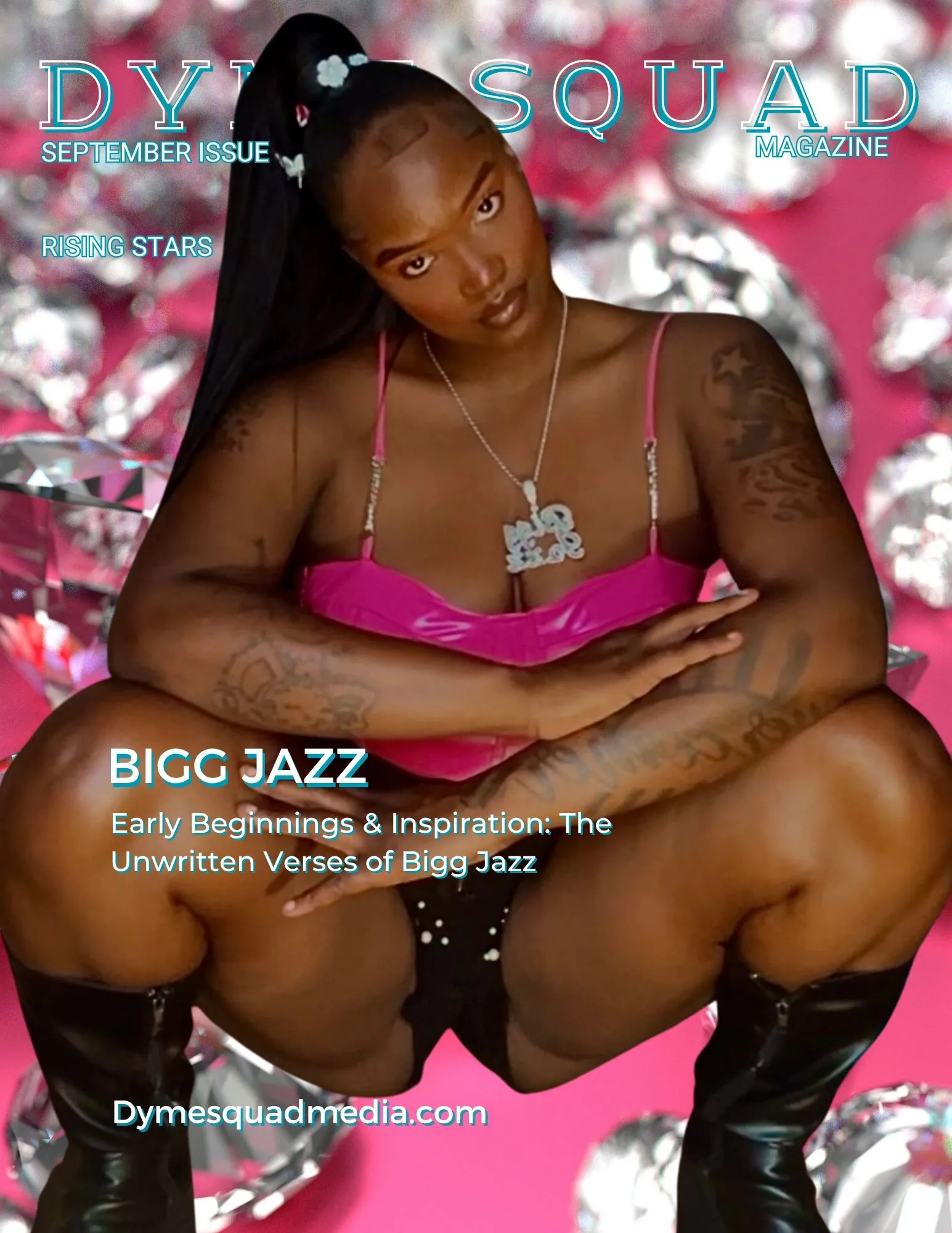
          Bigg Jazz

          Early Beginnings & Inspiration: The Unwritten Verses of Bigg Jazz

          Every star has an origin story, but few are as rooted in authenticity and self-discovery as Bigg Jazz’s. Before the stages, festivals, and accolades, there was a young woman in Richmond, Virginia, quietly pouring her heart into poetry. Her journey from intimate verses to electrifying rap performances is a testament to the transformative power of words, and the courage it takes to let them be heard.

          The Poetry That Sparked a Revolution

          Long before September 2021—the month Bigg Jazz officially stepped onto the rap scene—her story was already unfolding in the margins of notebooks and the corners of her mind. Poetry was more than a creative outlet; it was a lifeline. “My inspiration originally came from writing poetry,” Jazz shares, reflecting on those formative days. “I thought to myself, if I can write a poem, maybe I can rap?”That single, curious thought became the catalyst for everything that followed. Jazz started testing her words against beats, letting her poems morph into bars, hooks, and verses. Each experiment was a new discovery—proof that her voice had the power to move not just herself, but anyone who listened. “Poetry is why I rap today,” she says, and it’s clear that every line she spits carries the DNA of those early poems: honest, vulnerable, and real.

          Richmond: The City That Built Her

          Richmond, VA, isn’t just the place Bigg Jazz calls home; it’s the crucible that forged her artistic identity. The city’s creative scene is vibrant, but it’s also demanding. “It shaped me to go harder and be bolder in everything I do without anticipating how others perceive that,” she explains. “I wouldn’t consider myself popular, so RVA has really taught me to reach for the stars and ‘MAKE THEM FEEL YOU.’”Jazz’s journey wasn’t built on popularity or shortcuts. Richmond taught her that success is earned, not given. Every performance, every verse had to be undeniable—because in her city, nothing is handed out without hard work. “With anything, it’s not just going to be handed out without putting in the work. In turn, my confidence as an artist continues to grow to this day!” The city’s lessons were sometimes tough, but they gave Jazz the grit, resilience, and boldness that now define her presence both on and off the stage.

          Inspiration Without Imitation

          Unlike many artists who point to musical legends as their earliest inspirations, Bigg Jazz’s journey is refreshingly unique. “Honestly, I wasn’t influenced by anyone starting out because what prompted my musical journey was poetry. If anything, poetry inspired me more than anything.” Her artistry is a direct extension of her inner world—rooted in introspection, not imitation.It was only after stepping into the rap game that she began to explore the work of those who paved the way. “Following me being in the rap game for a few months, I started to discover and gravitate towards those whom have paved the way. Such as, Queen Latifah, DaBrat, MC Lyte, and of course some of our new girlies, Cardi B, Megan, Latto for example.” These icons offered new perspectives, but her core influence remains the written word and her own lived experience.

          The Alchemy of Authenticity

          What sets Bigg Jazz apart is her unwavering commitment to authenticity. From her first poem to her latest track, she’s never tried to fit in—she’s been too busy standing out. Her music is a mirror, reflecting the realness of her life, her city, and her growth. “Poetry is why I rap today,” she repeats, grounding herself in the roots that started it all.That authenticity is her superpower. It’s what draws listeners in and keeps them coming back. Her journey is a masterclass in being true to yourself, regardless of expectations or trends. In every verse, you can hear the echoes of those first poems—the honesty, the hunger, and the hope.

          The Moment That Changed Everything

          When September 2021 arrived, Bigg Jazz wasn’t just releasing music—she was unveiling a new chapter of her life. The decision to debut as a rapper was both terrifying and exhilarating. “That moment was like stepping off a cliff and finding out you can fly,” she laughs. The support from her growing audience, the recognition from her city, and the thrill of performing her own words to a beat all confirmed what she’d suspected: her poetry had always been meant for the world to hear.Now, as her star continues to rise—nominated for awards, performing at major events, and gaining traction far beyond Richmond—Bigg Jazz remains grounded in the same principles that started her journey. She’s still writing, still reaching, still making them feel her. And as she inspires the next generation of artists, she proves every day that the most powerful music comes from the heart.

          Bigg Jazz’s journey is a reminder that greatness is often born in the quiet moments—when you’re writing for yourself, before anyone’s listening. Her rise from poet to rapper is a story of courage, authenticity, and the unbreakable bond between words and music. For every young artist with a notebook and a dream, she’s living proof that your story is worth sharing—one verse at a time.Stay connected with Bigg Jazz and follow her journey on Instagram: @jazzaleas

          Bigg Jazz Gallery

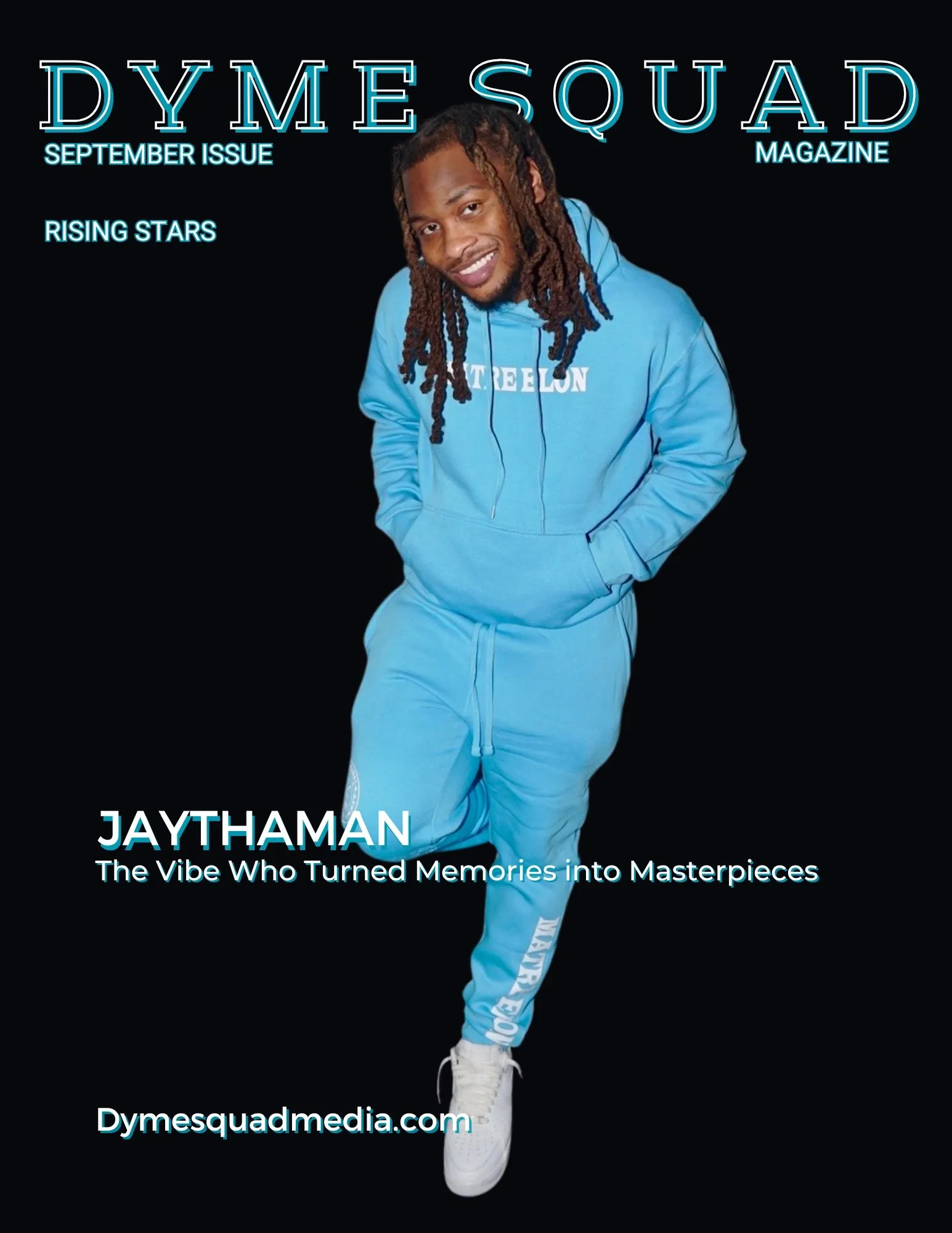
            Jaythaman

            The Vibe Who Turned Memories into Masterpieces

            For Jaythaman, music isn’t just a passion—it’s a legacy, a lifeline, and a calling that’s been echoing through his life since childhood. Growing up on the South Side of Chicago, Jay was never far from the pulse of a beat or the hum of a melody. But it wasn’t until one unforgettable night in the studio with his father, uncle, and cousin that he realized just how powerful his gift could be.

            Remixing Inspiration: A Turning Point

            “One of my most memorable moments was being in the studio with my father, uncle, and cousin, where I completed a full remix of Lil Wayne’s ‘6 Foot 7 Foot,’” Jay recalls, eyes lighting up at the memory. “It was the first time I took an existing masterpiece and transformed it into something original, developing a new sound that was uniquely mine.” That night was more than just a creative experiment—it was a turning point. It proved to Jay that he had the power not just to follow in the footsteps of his musical family, but to blaze his own trail and inspire others along the way.Another moment that stands out is deeply personal: performing for his grandmother, his biggest supporter, who has since passed. “She told me early on that I belonged on the big stage. From that moment forward, I’ve been moving with full momentum,” Jay shares. Her words became a guiding force, fueling his determination to turn dreams into reality.

            Born for the Beat

            Jay’s connection to music runs deep. “I’ve always had a natural ear for music,” he says. Whether dancing and singing to other artists’ songs in the living room or crafting his own projects, music was always at the center of his world. With family deeply rooted in the music industry, Jay got a front-row seat to both the creative and business sides of the game. “I’ve learned from their experiences—what pitfalls to avoid and which paths to pursue. That background gave me a strong foundation and a support system that continues to guide me today.”

            Two Worlds, One Perspective

            The journey wasn’t always smooth. Relocating from the South Side of Chicago to the suburbs was a major shift, not just in scenery but in perspective. “The change in environment, people, education, and opportunities gave me a broader perspective on life,” Jay reflects. “It allowed me to experience and understand both sides of the spectrum, which has deeply influenced how I approach music and life.” That duality—urban grit and suburban growth—infuses his music with authenticity and depth.

            Inspired by Greatness

            Jay’s influences are as diverse as his sound. “Artists like Chris Brown, Michael Jackson, Drake, Lil Durk, Polo G, Usher, and Rihanna have all inspired me,” he says. “Watching how they use their talents to connect emotionally and mentally with their fans showed me the true power of music. They weren’t afraid to be vulnerable and share their personal stories with the world.” Their journeys—marked by success, mistakes, and growth—motivated Jay to keep evolving. “Every day I focus on becoming a better version of myself, and those artists reminded me that I can do it my own way because I, too, have a message and a gift.”

            Crafting the Soundtrack of His Life

            For Jay, the creative process is almost spiritual. “My creative process typically begins with the beat. Once I hear it, melodies and lyrics start flowing naturally—it’s as if the song is already written in my mind, and I’m simply piecing it together.” Each beat sets a tone, guiding the direction of every track.“When I close my eyes and listen to a beat, it’s like watching a movie made from my own life experiences,” he explains. Jay draws from past events, emotions, and environments to tell stories that are real and relatable. “Music is my way of expressing what I’ve kept inside, and I hope those emotions resonate with listeners and help them navigate their own journeys.”

            “I Came Too Far”: A Personal Testament

            Jay’s album, I Came Too Far, is more than a collection of songs—it’s a diary set to music. “Every track on the album represents a specific chapter in my life—moments that taught me lessons and shaped who I am,” he says. Originally, the album had 22 tracks, but Jay narrowed it down to 12 to focus on the core message. “Each song allowed me to connect with my audience in a personal and meaningful way.”

            What’s Next: New Projects and Collaborations

            This year, Jay’s fans are in for a treat. “I’m releasing an 8-track high-energy album with MBMG Rello, an R&B project with YFL KingSmoke, and the next installment of the I Came Too Far series, which blends melodic and R&B styles with some new sounds from Jaythaman,” he reveals. On top of that, several club singles with MajorWay are set to drop, promising a diverse and dynamic musical year.Collaboration, for Jay, is a catalyst for growth. “Blending different styles and perspectives creates something truly unique. I enjoy being in the studio with artists from all genres—it’s all about feeding off each other's energy and stepping outside of your comfort zone. Collaborating helps me grow and evolve as an artist.”

            Positive Vibes, Positive Energy

            If there’s one message Jay wants every listener to take away, it’s “PVPE”—Positive Vibes, Positive Energy. “No matter what life throws at you, there’s always a lesson and a positive takeaway. We don’t take losses—only learnings,” he says. Each song is designed to connect with listeners on their own terms, offering hope and motivation.

            Building More Than Music

            Jay’s ambitions extend far beyond the studio. “From early on, I’ve always believed in keeping things in-house. I wanted to understand how businesses run and develop the skills necessary to build something sustainable. My goal is to establish a corporation that creates equal opportunities for everyone.” He’s determined to master new industries and pass that knowledge on, creating a ripple effect of empowerment.One project close to his heart: opening a media school. “Opportunities like that are rare where I come from. There’s too much gatekeeping and competition. I want to break that cycle by providing resources and guidance that empower others to succeed in media and entertainment. I want people to know it’s possible for them too.”

            Overcoming Obstacles

            Jay’s journey hasn’t been without its challenges. “Some of the biggest challenges I’ve faced were learning who to trust, making the right business decisions, and staying consistent. I overcame these by building a strong foundation. Without structure and a reliable team, it’s easy to burn out. Having a solid support system is key—you can’t do everything alone.”

            Fueled by Passion, Driven by Purpose

            At the end of the day, Jay’s motivation comes from a genuine love for music and the impact it can have. “I know my message brings value, and that keeps me going. Helping others through my art is what makes it all worthwhile.”

            Words of Wisdom

            For young artists and entrepreneurs, Jay’s advice is simple but powerful: “Always chase your goals. Remove words like ‘try,’ ‘want,’ and ‘going to’ from your vocabulary—either you’re doing it or you’re not. Keep your mindset rooted in positive vibes and energy, speak your vision into existence, and take action to make it happen.”

            The Future: Limitless Possibilities

            Jaythaman isn’t slowing down anytime soon. “I have plans to venture into more than 10 industries over the next few years. I want to make a meaningful impact in both business and entertainment. This includes movies, TV networks, film studios, recording studios, radio broadcasting, media schools, restaurants, and more.”Asked about dream collaborations, Jay doesn’t hesitate: “Chris Brown, Michael Jackson, Lil Durk, G Herbo, and Mariah the Scientist. Each of them brings a distinct style and energy to music. They know how to connect with fans and create timeless sounds, and I’d love to merge those styles with my own.”

            Leaving a Legacy

            No matter where his journey takes him, Jay wants to be remembered as “The Vibe”—a source of positive energy, resilience, and inspiration. “I aim to be that light in the room—always lifting spirits and creating impact through music and presence.”From the living room to the big stage, from remixes to original masterpieces, Jaythaman’s story is one of perseverance, passion, and purpose. And as he continues to blaze new trails, one thing’s for sure: the best is yet to come.MUSIC Stay connected with Jaythaman and follow his journey across every platform:

            • Facebook: https://www.facebook.officialjaythaman.com/
            • Instagram: https://www.instagram.com/officialjaythaman/
            • Snapchat: Jay_ontop
            • SoundCloud:https://www.soundcloud.com/officialjaythaman/
            • Twitter: https://www.twitter.com/officialjaythaman/
            • Website: https://www.officialjaythaman.com
            • YouTube: https://www.youtube.com/user/officialjaythaman

            Jaythaman Gallery

              ADST Music

              ADST Music’s Wammie Triumph: The Story Behind the Sound of ‘The Nightlife’

              In the heart of the DMV, where music pulses through the streets and creativity is currency, one producer’s name has become synonymous with innovation, resilience, and a relentless pursuit of greatness: ADST Music. His recent Wammie Award for excellence in music production on Night Train 357’s ‘The Nightlife’ isn’t just a personal milestone—it’s a victory for the entire creative community, a testament to what’s possible when vision meets grit, and a new chapter for the region’s musical legacy.

              A Vision Born in Uncertainty

              The story of ‘The Nightlife’ began with a simple pitch—a spark of an idea presented by ADST to Night Train 357. What started as a proposal for an EP soon transformed into a full-fledged collaboration, fueled by mutual respect and an ever-evolving creative chemistry. “This project was an idea I pitched to Night Train as an EP,” ADST shares. “Our chemistry grew through the process and he brought out a lot of different energy. Night Train had a lot of ideas that I loved and production wise he was open to what I gave him.”But the timing was anything but ordinary. As the world was thrown into the chaos of a global pandemic, the music industry, like so many others, faced unprecedented challenges. Studios closed, live shows disappeared, and uncertainty reigned. Yet, for ADST and Night Train, adversity became an unlikely muse. Instead of pausing, they pressed forward—finding ways to collaborate, create, and connect even as the world stood still.

              Crafting a Soundtrack for Resilience

              The creative process for ‘The Nightlife’ was as dynamic as the music itself. ADST’s approach to production is rooted in a deep appreciation for both tradition and innovation. Influenced by the likes of D.J. Premier, Pete Rock, and J Dilla, as well as contemporary icons like Kanye West and 9th Wonder, ADST’s sound is a tapestry of jazz, soul, funk, and experimental textures. “Night Train had a lot of ideas that I loved, and production-wise he was open to what I gave him,” he says. This openness allowed for a true blending of styles—a project where every beat, every lyric, and every sonic detail was carefully crafted.Working under the shadow of the pandemic added urgency and depth to the music. “I never thought we would get it, given the amount of talent, but we pushed hard during the pandemic,” ADST reflects. The sessions, often remote and improvisational, became a lifeline—a way to transform isolation into inspiration, and struggle into art. The result? A record that not only resonated with listeners but captured the attention of industry peers, culminating in a Wammie Award that felt both hard-earned and deeply personal.

              The Wammie: More Than Just a Trophy

              For those outside the region, the Wammie might seem like just another accolade. But in the DMV, it’s a symbol of excellence, community, and respect—a recognition that carries weight and history. “It means a lot because nobody can take it away from you. The Wammie is prestigious here,” ADST says. To receive this honor, especially during such a tumultuous time, is a validation of years of dedication, sacrifice, and belief in the power of collaboration.Winning the Wammie isn’t just about individual achievement. It’s about representing a creative community, inspiring the next generation, and proving that DMV artists can compete—and win—on any stage. For ADST, it’s a moment that encapsulates not just his journey, but the collective journey of every artist who has ever had to fight for their voice to be heard.

              Collaboration at the Core

              At the heart of ‘The Nightlife’ is a partnership built on trust, respect, and a willingness to take risks. ADST credits Night Train’s openness and creativity as essential to the project’s success. “Our chemistry grew through the process and he brought out a lot of different energy,” ADST recalls. “Night Train had a lot of ideas that I loved, and production-wise he was open to what I gave him.”This collaborative spirit is what sets ‘The Nightlife’ apart. It’s not just a producer laying beats for an artist—it’s two minds, two visions, coming together to create something greater than the sum of their parts. The music is layered, textured, and alive, reflecting the shared journey of its creators.

              A Legacy Cemented, A Future Unfolding

              For ADST Music, the Wammie is both a culmination and a beginning. It’s a testament to what can be achieved through perseverance, adaptability, and an unwavering commitment to the craft. But it’s also a launching pad for new projects, new collaborations, and new chapters.“I never thought we would get it, given the amount of talent, but we pushed hard during the pandemic,” he says, echoing a sentiment that will resonate with any artist who has ever faced doubt or adversity. The Wammie now stands as a permanent reminder—not just of what ADST has accomplished, but of what’s possible for anyone willing to put in the work.

              A New Chapter: A.R.T. (Achievements, Regrets, Triumphs)

              ADST’s creative journey didn’t stop with ‘The Nightlife.’ His latest album, A.R.T. (Achievements, Regrets, Triumphs), is a deeply personal exploration of the human experience. On this project, ADST opens up about his battles with depression, loss, regret, and the process of rebuilding—a musical landscape that moves from darkness to light, from struggle to triumph.A.R.T. isn’t just an album; it’s a statement. “A.R.T. – the expression or application of human creative skill and imagination, typically in an audio form such as beats, lyrics, or concepts producing works to be appreciated primarily for their beauty or emotional power,” ADST explains. Each track is a testament to resilience and the power of music to heal and uplift.Featured tracks from A.R.T. include:

              • "New Horizon"
              • "Hello"
              • "Hello Remix"
              • "Everybody Dreams"
              • "Good Lawd 2"

              We encourage all DJs, playlist curators, and music lovers to add these songs to your mix-sets and playlists. Experience the emotional depth, creativity, and authenticity that define ADST Music’s sound.

              Experience ADST Music

              For those wanting to dive deeper into ADST’s world:

              • Bio and background: adstmusic.com/bio
              • Visuals and music videos: ADSTV on YouTube
              • Full album & singles: A.R.T. on YouTube

              For drop script requests, interview inquiries, or feedback:
              Email: media.adst@gmail.comADST Music’s journey is ongoing, fueled by passion, authenticity, and a desire to uplift others through sound. Thank you for supporting ADST Music, the artists he represents, and every release that brings the community together.

              A Final Note from Dyme Squad Magazine

              At Dyme Squad Magazine, we pride ourselves on highlighting the positive, powerful stories behind our region’s brightest stars. ADST Music’s Wammie win and new artistic chapter are proof that when creativity meets courage, the results are unforgettable.Stay tuned for more exclusive interviews, features, and behind-the-scenes looks at the artists shaping tomorrow’s soundscape.Contact: info@dymesquadmedia.com | 1-804-601-6391
              Copyright © Dyme Squad Magazine 2025
              Podcast Channel: youtube.com/@dymesquadmagazine


              ADST Music Gallery

                The Officer

                Europe’s Freestyle Maestro on Legacy, Dance, and Staying True

                When it comes to European freestyle music, few names carry the weight and influence of Peter Fritsch—better known as The Officer. With a career spanning decades, chart-topping hits like “Cry” and “La Musica,” and a reputation as Europe’s No. 1 freestyle music artist, The Officer has become a living legend in the club and dance scene. But what drives his creativity, and how has he kept his music timeless in a fast-changing world? We caught up with him for a candid conversation about his roots, his process, and what’s next.

                Early Beginnings: Finding His Own Path

                The Officer’s musical journey began at an age when most kids are still figuring out their hobbies. “Yes, I started making music at a very early age. I never had idols or tried to emulate anyone,” he shares. Even as a teenager sharing the stage with icons like Johnny Guitar Watson, he felt more inspired to carve his own lane than to follow in anyone else’s footsteps. “My experiences with big artists motivated me to go my own way and gave me strength. I just wanted to make good music, whatever that meant for me.”

                The Magnetic Pull of Freestyle

                Freestyle music, with its roots in breakdance, RnB, and hip hop, was a natural progression for The Officer. “I used to listen to a lot of breakdance music, RnB, and hip hop, so the step toward freestyle music wasn’t far. To describe it, I’d say it’s electronic, danceable music with harmonious vocals.” For those new to the genre, his music offers a perfect entry point—infectious rhythms, heartfelt vocals, and a beat that’s impossible to resist.

                Dance: The Heartbeat of Freestyle

                For The Officer, dance isn’t just an afterthought; it’s the soul of freestyle. “This genre of music lives through dance,” he explains. While club DJs might spin his tracks to packed dance floors, he insists on bringing dancers into his live performances. “I’m lucky enough to have up to six female dancers performing with me.” Their energy transforms every show into a celebration of movement and music.

                The Stories Behind the Hits

                Every classic has a story, and The Officer’s signature tracks are no exception. “‘Cry’ was written after a breakup. The emotions came, and the song was born,” he reveals. “La Musica,” his collaboration with Elios, was created during a period of creative synergy, with both artists channeling whatever was on their minds. The authenticity of these songs is part of what makes them endure.

                Timeless Appeal and Generational Bridges

                Decades after their release, “Cry” and “La Musica” still fill club floors. “It makes me very happy to see new generations dancing to my songs and our music,” he says. He credits the genre’s longevity to family traditions and cultural revival. “Parents introduced their kids to this genre, and in Germany, freestyle dancing is even taught in dance schools. Freestyle music is currently experiencing a revival here in Germany, opening up many new possibilities.”

                Staying Prolific in a Changing Industry

                With over 160 compilations, 44 maxi singles, and four albums, The Officer’s output is nothing short of legendary. His secret? “Staying true to myself and listening to my heart. I can express myself, and people’s feedback shows me that I’m exactly where I’m supposed to be. I believe it’s important to stay adaptable and flexible. That way, things can change around you, but you stay in the game.”

                Freestyle’s Evolution in Europe

                Reflecting on the evolution of freestyle, The Officer sees Europe as both a torchbearer and an innovator. “In Europe, I think we oriented ourselves toward the origins but then created our own style. That might also have to do with the fact that an artist like me, despite everything, doesn’t get booked on the big stages in America. Even in the U.S., freestyle music is changing thanks to new artists and DJs like Allen Back.”

                Influences and Uniqueness

                While he grew up listening to legends like Stevie B and Lionel Richie, The Officer never set out to mimic anyone. “I never aimed to sound like anyone else. Maybe that’s what still keeps me at the forefront of this business today.”

                Unforgettable Moments

                What’s the most memorable performance? For The Officer, it’s the moments when thousands move as one. “It’s those shows where several thousand people danced the same choreography to my music. For example, last year at the ‘Super 90’s Show’ in Böblingen.”

                Creative Flow and Dream Collaborations

                After years in the business, The Officer’s creative process has become more instinctive. “I don’t overthink the creative process as much. It just pours out of me, and then I head straight to the studio to put it into action.” As for dream collaborations, he’d love to work with icons like Stevie B and Lil Suzy.

                Emotional Favorites and Legacy

                Among his discography, “Dream of my Life” (with Cihat) stands out as a personal favorite for its emotional depth. When asked about his legacy, The Officer is humble but hopeful: “I’ll leave a lot behind, and I really hope that people enjoy it, dance, and celebrate.”

                Advice for the Next Generation

                His message to aspiring artists? “Believe in your dream, no matter what others tell you, and keep going. Just stay true to yourself and stay authentic.”

                What’s Next for The Officer?

                Fans can look forward to a busy release schedule. “In July, two singles are coming out—one with Abdullah, ‘Can We Live in Peace,’ and a new solo track by The Officer called ‘Back to You.’ In August/September, my album Back to You – The 5th will be released. And there’s also a new Christmas song coming out this year.”With a career defined by authenticity, adaptability, and a deep connection to dance, The Officer continues to lead the freestyle movement—one timeless beat at a time.

                The Officer Gallery

                  • Home
                  • About
                  • Shop
                  • Events
                  • The Drop: Music Video Hr
                  • Features
                  • Articles
                  • MUAs and Models
                  • Entrepreneur Spotlight
                  • Rising Stars
                  • Entertainment Legacy
                  • Health and Wellness
                  • Tributes
                  • Promotions
                  • Official Podcast
                  • Testimonials
                  • Contact us
                  • Privacy Policy
                  • Terms and Conditions

                  Dyme Squad Magazine

                  1-804-601-6391

                  Copyright © 2025 Dyme Squad Magazine - All Rights Reserved.

                  This website uses cookies.

                  We use cookies to analyze website traffic and optimize your website experience. By accepting our use of cookies, your data will be aggregated with all other user data.

                  Accept